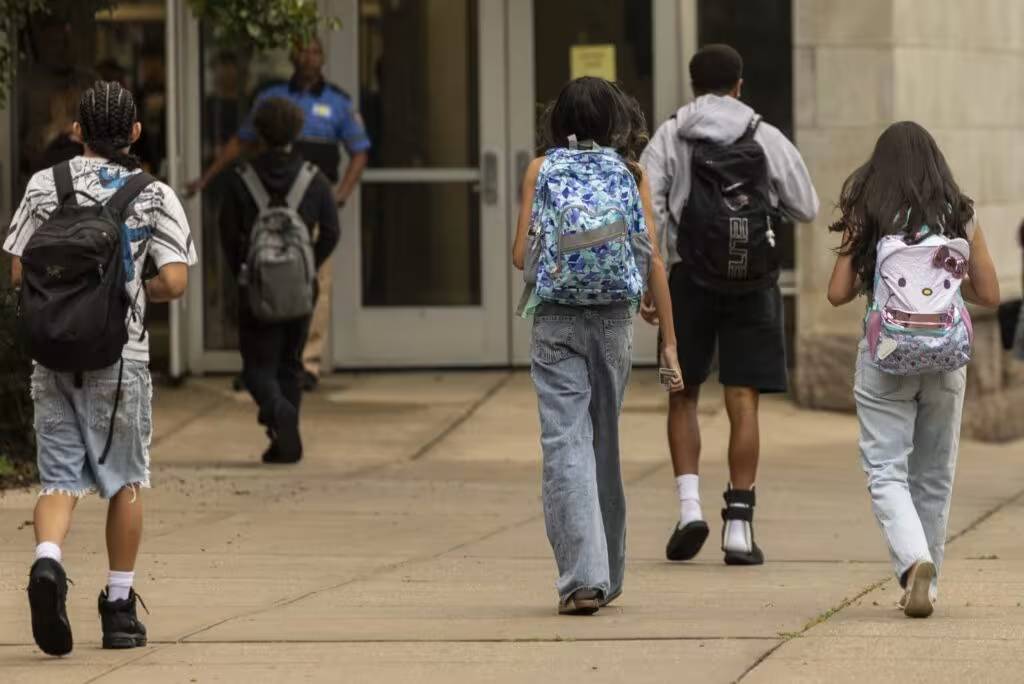
Declining birth rates mean fewer students.
And that means more districts grappling with whether to close or merge schools.
"The big shrink" is how Marguerite Roza, director of Georgetown University's Edunomics Lab, described what is happening nationally.
"When there are fewer young people, obviously it's going to change the shape of public education," Roza said. "As more and more schools are existing that are half empty, some downsizing needs to take place for them to live in their current financial structure, and districts are really loath to do that."
Driven largely by declining birth rates but worsened by several other factors, district and school board decisions to close and consolidate schools can draw anger and anxiety from parents and students. Many states are stopping short of forcing mergers, but taking a variety of steps to encourage them.
The expiration of one-time federal pandemic relief funding has worsened the financial pressure on school districts, Roza said.
The COVID-19 pandemic also accelerated interest in homeschooling, virtual education and other alternatives to traditional public schools, according to Megan Bowen, high school director at the U.S. Career...
- Log in to post comments
Link